
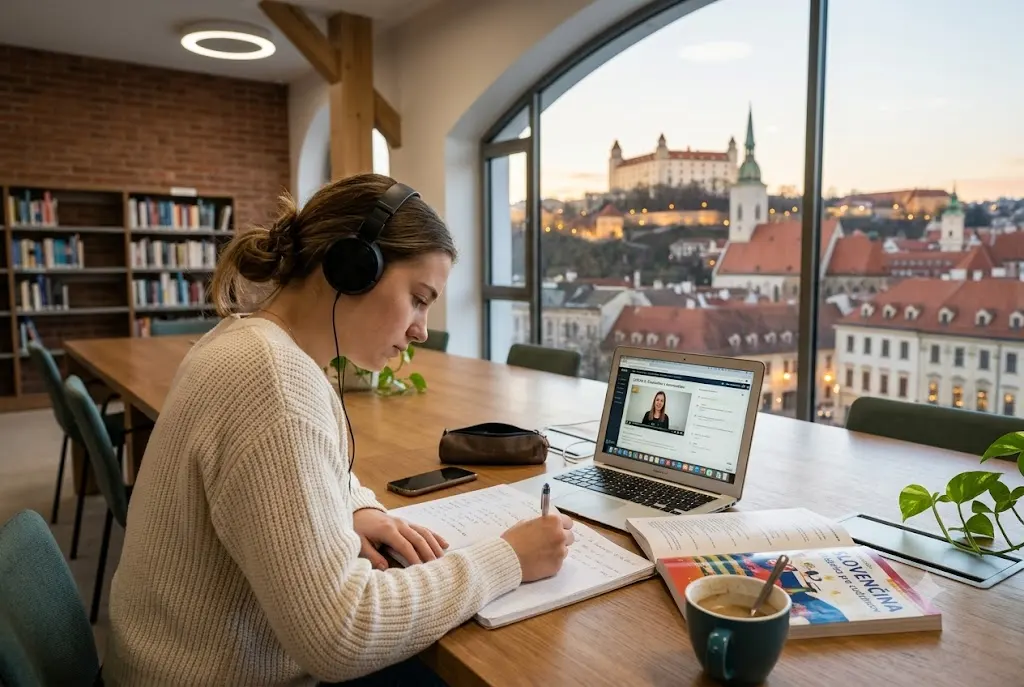
If you want to learn Slovak language, you’re opening the door to a fascinating Central European culture with a rich literary tradition and practical opportunities for travel, work, and personal growth. Although Slovak may seem challenging at first, the right learning approach makes it much more accessible. This beginner-friendly guide explains the language, highlights useful study techniques, and helps you build confidence from your very first lesson.
Whether you’re planning a visit to Slovakia, connecting with Slovak-speaking family members, or simply expanding your language skills, learning Slovak offers a rewarding experience. With consistent practice and reliable resources, you can steadily improve your speaking, listening, reading, and writing abilities.
Why Learn Slovak Language?
Slovak is the official language of Slovakia and is spoken by more than five million people. As one of the Slavic languages, it shares similarities with Czech, Polish, and other neighboring languages while maintaining its own distinctive pronunciation and grammar.
Many learners choose Slovak because they:
- Plan to travel or relocate to Slovakia.
- Have Slovak family roots.
- Need Slovak for business or education.
- Enjoy studying Central European languages.
- Want to explore a less commonly taught European language.
Learning Slovak also creates a strong foundation for understanding other Slavic languages, making future language learning easier.
Understanding the Slovak Language
A quality Slovak language guide begins with understanding the language itself. Slovak belongs to the West Slavic language family and uses the Latin alphabet with several additional diacritical marks that influence pronunciation.
Although Slovak grammar includes noun cases, gender, and verb conjugations, beginners can make steady progress by learning practical vocabulary and everyday sentence structures before diving into advanced grammar.
The Slovak Alphabet
The Slovak alphabet contains 46 letters, including accented characters such as:
- Á, É, Í, Ó, Ú
- Ä
- Č, Ď, Ľ, Ň
- Š, Ť, Ž
Each letter generally has a consistent pronunciation, which helps learners develop accurate speaking skills once they become familiar with the sounds.
Essential Slovak Phrases for Beginners
Learning practical expressions early builds confidence.
- Ahoj – Hello
- Dobrý deň – Good day
- Ďakujem – Thank you
- Prosím – Please / You’re welcome
- Áno – Yes
- Nie – No
- Ako sa máte? – How are you?
- Dovidenia – Goodbye
Practice these phrases daily to improve pronunciation and conversational fluency.
How to Learn Slovak Language Effectively
There is no single perfect method, but combining multiple learning techniques produces the best results.
1. Build Core Vocabulary
Focus on the most common words first, including:
- Greetings
- Numbers
- Family terms
- Food
- Travel vocabulary
- Time expressions
- Daily activities
Mastering high-frequency vocabulary helps you understand real conversations more quickly.
2. Learn Grammar Gradually
Rather than memorizing every grammar rule immediately, learn structures as you encounter them in real conversations. Start with present tense verbs before progressing to noun cases and more advanced sentence patterns.
3. Listen Every Day
Listening improves pronunciation and comprehension naturally.
Useful resources include:
- Podcasts
- YouTube lessons
- News broadcasts
- Audiobooks
- Language-learning platforms
4. Practice Speaking Regularly
Speaking is often the most difficult skill, but also the most important.
Practice by:
- Repeating audio recordings
- Joining language exchanges
- Working with online tutors
- Recording yourself speaking
Recommended Slovak Learning Resources
A combination of textbooks, mobile apps, online courses, and native content creates a balanced study plan.
- Interactive language learning apps
- Online Slovak courses
- Slovak grammar books
- Vocabulary flashcards
- Native YouTube channels
- Slovak news websites
The Slovake.eu platform provides free learning materials for students at different proficiency levels.
Challenges Beginners May Face
Every language presents unique challenges, and Slovak is no exception.
Complex Grammar
Cases and verb conjugations may seem intimidating, but regular exposure makes them easier to understand over time.
Pronunciation
Some consonant combinations require practice, although Slovak pronunciation is generally consistent once learners understand the alphabet.
Vocabulary Differences
Unlike Romance languages, Slovak vocabulary may feel unfamiliar to English speakers, making repetition especially valuable.
Building a Daily Slovak Study Routine
A consistent routine often produces better results than long study sessions once a week.
A beginner schedule might include:
- 10 minutes reviewing vocabulary
- 10 minutes listening practice
- 15 minutes grammar exercises
- 15 minutes speaking practice
- 10 minutes reading simple Slovak texts
Even 45 to 60 minutes per day can lead to noticeable improvement over several months.
Exploring Central European Languages
Learning Slovak also provides insight into other Central European languages. Many learners later continue with Czech or Polish because they share historical and linguistic similarities. Studying related languages becomes easier once you understand common Slavic grammar patterns and vocabulary roots.
If you’re interested in expanding your language portfolio, you may also enjoy learning Baltic languages in the future, including Estonian and Latvian, each offering unique cultural and linguistic experiences.
Continue Your Language Learning Journey
As your confidence grows, exploring additional European languages becomes much easier. You may also enjoy our guides on learn Estonian language and learn Latvian language, which introduce two fascinating Baltic languages with their own unique histories and learning approaches.
If you’re interested in mastering another distinctive European language, don’t miss our upcoming guide on learn Icelandic language, designed for beginners seeking practical learning strategies.
Final Thoughts
Choosing to learn Slovak language is an investment in communication, culture, and lifelong learning. While the language has grammatical complexities, steady daily practice, quality resources, and consistent exposure make progress achievable for learners of all backgrounds. Focus on practical vocabulary, listen often, speak regularly, and enjoy the rewarding journey toward Slovak fluency.